

As global manufacturing continues to evolve with a strong push toward automation and intelligent production, the demand for components that support faster, more reliable, and consistent assembly has grown. Among these components, the Self Tapping Insert plays a crucial role in simplifying the fastening process while improving product quality. With the ability to cut its own threads and form secure connections in various materials, Thread Insert have become an integral part of high-speed automated assembly lines.
Challenges in Modern Automated Assembly
Automation brings speed and efficiency, but it also comes with new engineering demands. Common challenges in automated fastening include:
High-speed operation requirements
Uniform quality and consistent installation torque
Minimal human intervention
Compatibility with different material substrates (plastic, aluminum, composites)
Meeting these challenges requires reliable fasteners like self tapping inserts that can be quickly and consistently installed using robotic systems or torque-controlled tools.
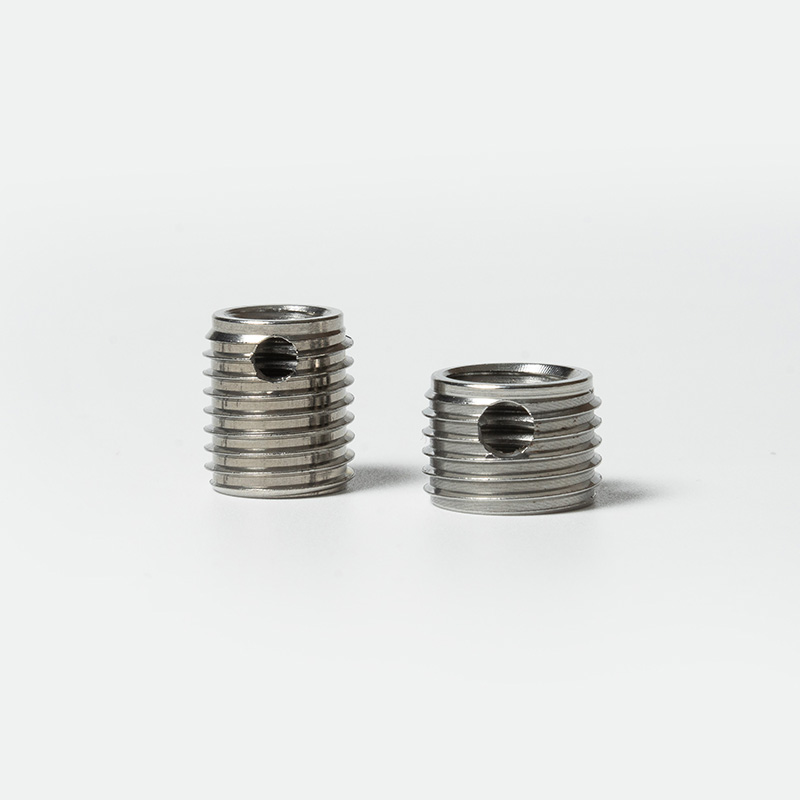
Best Practices for Automation-Ready Insert Use
To optimize self tapping inserts in automated systems:
Use standard hole sizes as recommended by the insert manufacturer.
Select compatible drive systems (hex socket, slotted, or Torx) for robotic arms or screwdrivers.
Incorporate torque monitoring to ensure consistent installation.
Choose flanged or non-flanged inserts based on load and application needs.
In a world where speed, consistency, and reliability define competitive manufacturing, Self Tapping Insert Type 302 offer an invaluable advantage. Their compatibility with robotic tools, high holding strength, and flexibility across materials make them a cornerstone of the automated assembly process. As automation becomes more prevalent, expect these inserts to become even more vital in every fast-paced production environment.