

As industries continue to favor lightweight materials for improved performance and efficiency, the need for reliable fastening solutions has never been greater. Among the most effective solutions are self tapping inserts, which have revolutionized how engineers reinforce threads in soft substrates like aluminum, plastic, magnesium, and wood composites. This article explores how self tapping insert is addressing modern engineering challenges and enabling the next generation of product design.
The Rise of Lightweight Engineering
In automotive, aerospace, electronics, and consumer product manufacturing, the transition toward lightweight materials has become a dominant trend. Reducing component weight contributes to:
Improved fuel efficiency and reduced emissions in vehicles and aircraft
Enhanced portability and compactness in electronic devices
Lower shipping costs and carbon footprints in global distribution
Self Tapping Inserts: The Ideal Solution
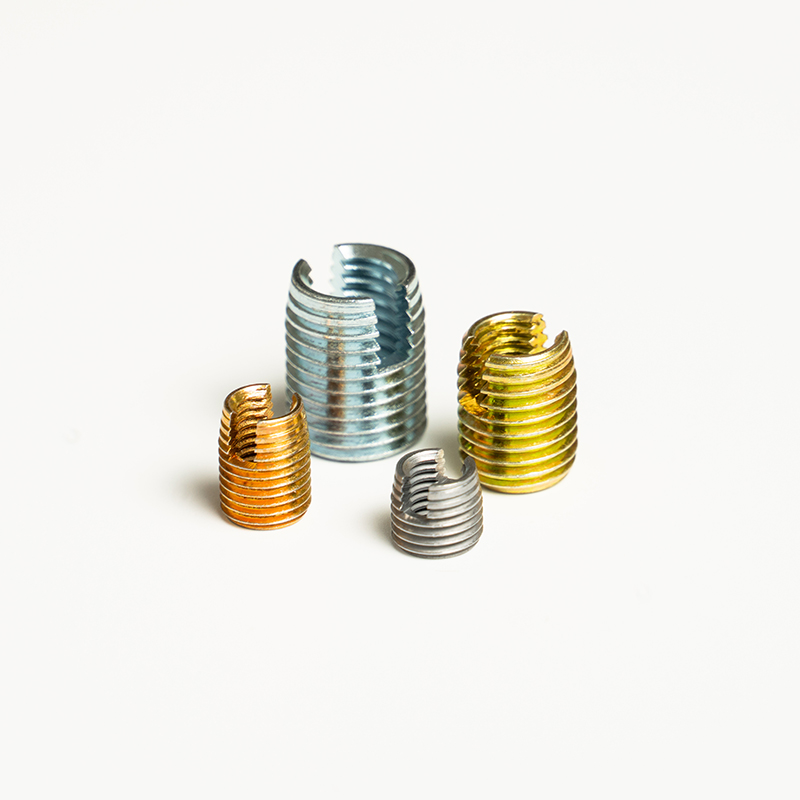
302 Self-Tapping Insert offer an ideal solution for creating strong, wear-resistant threads in low-density materials. Here’s why they are becoming a preferred choice in engineering applications:
High Load-Bearing Strength
These inserts distribute stress over a wider surface area, reducing localized strain on the base material and increasing the holding power of fasteners.
Improved Thread Life
Unlike direct tapping into soft materials, self tapping inserts provide hardened internal threads that withstand repeated installation and removal.
Vibration Resistance
Their mechanical locking action resists loosening under vibration, making them ideal for high-motion assemblies.
Key Design Variants and Features
There are several types of self tapping inserts, each optimized for specific applications:
Slotted Inserts: Feature a slot for better chip removal and easier cutting action. Ideal for general-purpose use in plastic and aluminum.
Hex Drive Inserts: Allow installation with a hex driver for fast assembly. Often used in automated or high-volume production.
Knife-Thread Insert: Designed for thermoplastics, their sharp edges reduce installation torque while improving grip.
Flanged vs. Flush Inserts: Flanged inserts offer surface reinforcement, while flush inserts sit below the material surface for aesthetic or space-saving applications.
Tips for Effective Use
To achieve the best results with self tapping inserts, manufacturers and engineers should consider the following:
Correct Hole Size: Always follow the manufacturer's recommended hole diameter to ensure optimal engagement.
Installation Tools: Use the appropriate driving tools (manual or powered) to avoid over-torquing or misalignment.
Material Compatibility: Match the insert material with the base material to prevent corrosion or galvanic reactions.
Load Requirements: Choose the insert type and size based on anticipated static and dynamic loads.
Self tapping inserts have evolved from niche components to mainstream engineering essentials. Their versatility, strength, and adaptability to lightweight materials make them a cornerstone in modern product development. As industries push the limits of design and performance, these humble inserts will remain a key enabler of innovation and reliability.